
OUR SERVICE
Qigong
What is Qigong?
Qigong is a meditative practice incorporating breathing techniques, movement, sound, and self-massage. Its origins lie in traditional Chinese medicine and philosophy, an ancient practice that people believe can benefit the mind, body, and spirit. It derives from Chinese philosophy and medicine.
What are the components of Qigong?
Qigong has four components:

Breathing techniques

Body postures

Guided imagery

Meditation

What Health Concerns Does Nutrition Counseling Help?
Our nutrition team specializes in the following areas:
- Cancer survivorship
- Cardiovascular disease
- Diabetes
- Hypertension
- Polycystic ovary syndrome
- Prediabetes
- Pregnancy
What are the types of Qigong?
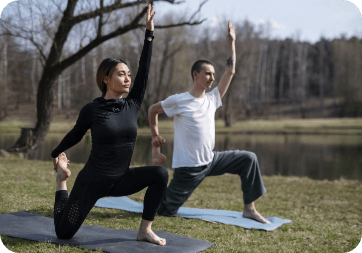
There are many types of qigong, each with its focus and benefits. Here are some of the most common types:
- Chinese Medical Qigong (CMQ) is a type of qigong used to heal and prevent disease. It is based on the principles of traditional Chinese medicine and uses slow, gentle movements, breathing exercises, and meditation to improve the flow of qi through the body.
- Daoist Qigong is a type of qigong based on the Taoist philosophy of achieving harmony with nature. It focuses on cultivating inner peace and tranquility and uses visualization and meditation techniques.
- Buddhist Qigong is a type of qigong that is based on Buddhist teachings. It focuses on developing compassion and wisdom and often uses mantras and chanting.
- Confucian Qigong is a type of qigong that is based on Confucian principles of self-cultivation and social harmony. It focuses on developing moral character and virtue and often uses physical exercises and meditation.
- Martial Qigong is a type of qigong used for self-defense and physical fitness. It combines slow, graceful movements with martial arts techniques.
Which is the best type of Qigong?
The best type of qigong for you depends on your goals and needs. Chinese Medical Qigong or Daoist Qigong may be a good option to improve your health. If you want to develop your spiritual side, Buddhist or Confucian Qigong may be better. And if you are looking for a way to improve your physical fitness, then martial qigong or Tai Chi may be right for you.
What are the benefits of Qigong for physical health?
Qigong has been shown to have several health benefits, including:
- Improved balance and flexibility:
- Reduced stress and anxiety:
- Increased energy:
- Enhanced immune function:
- Lowered blood pressure:
- Improved sleep:
- Reduced pain:
- Improved mental clarity:
- Increased longevity:
How do I practice qigong?
Our nutrition team specializes in the following areas:
- Standing qigong: This involves standing in a relaxed posture and performing gentle movements and breathing exercises.
- Sitting qigong involves sitting comfortably and performing gentle movements and breathing exercises.
- Moving qigong involves flowing through a series of movements coordinated with the breath.
- Meditation involves sitting in a relaxed position and focusing on the breath or a mantra.
How to get started with Qigong?
Here are some additional tips for getting started with qigong:
- Start slowly and gradually increase the amount of time you spend practicing.
- Find a quiet place where you will not be disturbed.
- Wear comfortable clothing that allows you to move freely.
- Focus on your breathing and relax your muscles as you practice.
- Be patient and consistent with your practice.
- With regular practice, qigong can help you to improve your physical health and well-being.
Frequently Asked Questions


The risks of qigong are very low. However, some people may experience mild side effects such as fatigue, dizziness, or headache. If you experience these side effects, stop practicing qigong and talk to your doctor.
Where can I learn qigong?

